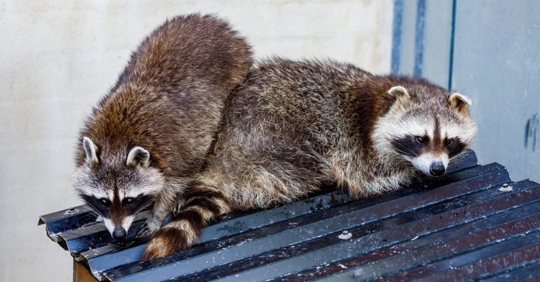
When temperatures drop in Dover, New Hampshire, you're not the only one looking for a warm place to spend the winter. Raccoons and opossums are actively searching for cozy spots to wait out the cold months, and your home might be exactly what they're looking for. These determined animals can cause significant damage to your property while creating health and safety concerns for your family. Understanding their winter behavior and taking preventive steps now can save you from costly repairs and unwelcome surprises later.
Don't wait until wildlife moves in. Contact Dependable Pest Solutions today at (207) 482-0913 or fill out our online contact form to schedule a property inspection.
Why Raccoons and Opossums Target Homes in Winter
Both raccoons and opossums are opportunistic animals that adapt their behavior when winter arrives. While opossums don't hibernate, they do become less active during extremely cold weather. Raccoons enter a state called torpor during the coldest days, which means they sleep deeply but can wake up during warmer spells to search for food.
Your home offers three things these animals desperately need during winter: warmth, shelter, and easy access to food sources. Attics provide insulation from harsh weather, crawl spaces offer protection from predators, and your trash cans or pet food can serve as convenient meals.
The challenge with winter wildlife invasions is that you might not notice the problem immediately. These animals are mostly nocturnal and can be surprisingly quiet when they want to be. By the time you hear scratching sounds or notice damage, they may have already established a comfortable den in your home.
Common Entry Points and Vulnerable Areas
Raccoons and opossums don't need large openings to enter your home. Raccoons can squeeze through holes as small as four inches in diameter, while opossums can fit through even smaller spaces. They're also excellent climbers with strong paws that can tear through weakened materials.
Areas to Inspect on Your Property
Your home likely has several vulnerable spots that wildlife can exploit:
- Roof vents and soffits: Damaged or poorly secured vents provide direct access to your attic.
- Chimney caps: Missing or broken caps create an inviting entrance to warm spaces.
- Foundation cracks and gaps: Ground-level openings allow easy access to crawl spaces and basements.
- Garage doors and side entrances: Gaps under doors or around frames can be widened by determined animals.
- Tree branches: Overhanging limbs serve as highways directly to your roof.
After identifying these potential entry points, check them regularly throughout the fall and winter. Small problems can quickly become major vulnerabilities when wildlife applies their strength and persistence.
Signs of Raccoon or Opossum Activity
Early detection makes a significant difference in preventing extensive damage. Knowing what to look for helps you take action before a minor issue becomes a major infestation.
Watch for these warning signs around your property:
- Torn or displaced insulation in your attic or crawl space
- Droppings or urine stains that create foul odors and health hazards
- Scratching or thumping noises, especially during evening or early morning hours
- Tracks in snow or mud near your foundation or leading to potential entry points
- Damaged roof shingles or siding where animals have chewed or clawed their way in
- Scattered trash or disturbed garbage cans indicating regular feeding activity
These signs often appear gradually, which is why consistent monitoring matters. If you notice any of these indicators, it's important to address the situation quickly before the animals settle in more permanently.
Effective Prevention Strategies
Protecting your home from winter wildlife requires a combination of exclusion tactics and habitat modification. The good news is that many preventive measures are straightforward and can be implemented before the coldest weather arrives.
Secure Your Home's Exterior
Start by eliminating access points and making your property less appealing. Repair any damaged areas on your roof, including loose shingles or gaps around vents. Install heavy-gauge wire mesh over chimney openings and ensure caps are securely fastened. Seal foundation cracks with appropriate materials like steel wool combined with caulk, which animals cannot chew through easily.
Check that all doors close completely with no gaps at the bottom. Weather stripping not only saves energy but also blocks potential entry points. Consider adding door sweeps to exterior doors, especially those leading to garages or sheds.
Manage Food Sources and Attractants
Raccoons and opossums are resourceful foragers who remember where they find easy meals. Store garbage in metal or heavy-duty plastic containers with tight-fitting lids. If possible, keep trash cans in a garage or shed until collection day. Bring pet food dishes inside after your animals finish eating, and never leave food outside overnight.
Bird feeders can inadvertently attract wildlife, so consider bringing them in during winter months or using designs that are truly squirrel- and raccoon-proof. Clean up fallen fruit from trees promptly, and don't leave compost piles exposed. These simple changes remove major incentives for wildlife to visit your property.
Professional Wildlife Control Solutions
Sometimes prevention isn't enough, especially if wildlife has already discovered your property or if your home has characteristics that make it particularly vulnerable. Professional nuisance wildlife control services offer expertise and tools that go beyond standard DIY approaches.
Professionals can conduct thorough inspections to identify hidden entry points you might miss. They understand animal behavior patterns and know where to look for signs of activity. More importantly, they can safely and humanely remove animals that have already taken up residence without putting you or the wildlife at risk.
Licensed wildlife control experts also provide exclusion services that address current problems while preventing future invasions. This might include installing custom barriers, reinforcing vulnerable areas with professional-grade materials, and setting up monitoring systems. These solutions often come with guidance on maintaining your property to reduce future wildlife interest.
The Risks of Ignoring Wildlife Problems
Delaying action when you suspect wildlife activity can lead to escalating problems. Raccoons and opossums can cause substantial structural damage by tearing insulation, chewing wires, and damaging wood structures. Electrical wire damage poses fire hazards, while compromised insulation increases heating costs.
Health concerns are equally serious. Both animals can carry diseases including rabies, leptospirosis, and raccoon roundworm. Their droppings and urine contaminate areas they inhabit, creating air quality issues and potential exposure to harmful pathogens. Parasites like fleas, ticks, and mites often accompany wildlife and can spread throughout your home.
The longer animals remain in your home, the more likely they are to establish nesting sites or birthing dens. Removing a family of raccoons or opossums is more complex and expensive than addressing a single animal early in the process.
Keeping Wildlife Away From Your Home
Creating lasting protection requires ongoing attention throughout winter and into spring. Regular property inspections help you catch new vulnerabilities before wildlife does. Walk around your home monthly to check for new damage or signs of animal activity.
Keep vegetation trimmed back from your house. Tree branches should be at least six to eight feet away from your roof to prevent wildlife from jumping across. Maintain clear sight lines around your foundation so you can easily spot digging or attempted entry.
Consider seasonal maintenance schedules that include checking and reinforcing home pest control measures. Fall is the ideal time to prepare for winter wildlife pressure, but winter and early spring inspections catch problems that develop during active invasion periods.
Get Professional Help for Winter Wildlife Protection
Taking steps to protect your Dover home from raccoons and opossums doesn't have to be overwhelming. Dependable Pest Solutions understands the unique wildlife challenges that New Hampshire homeowners face during winter months. Our team can assess your property's vulnerabilities, implement effective exclusion strategies, and provide ongoing support to keep your home safe from unwanted wildlife visitors.
Whether you're dealing with an active wildlife problem or want to prevent future issues, we're here to help. Call (207) 482-0913 or complete our online contact form to schedule a comprehensive property evaluation today.